
As an enthusiastic outdoor adventurer, you understand the importance of protecting your skin from harmful UV rays. Sunburns not only cause discomfort but can also have long-term consequences for your skin health. In this article, we will explore the best sun protection options available on the market, including natural alternatives, sun-protective clothing, and different types of sunscreen. So, grab your hat, sunglasses, and let’s dive into the world of effective sun protection!
- Embrace Natural Sun Protection: When it comes to safeguarding your skin from the sun, natural alternatives offer a gentle and eco-friendly approach. Consider the following options:
a. Physical Sunscreens: These sunscreens use mineral ingredients like zinc oxide or titanium dioxide, forming a physical barrier on your skin that reflects and scatters UV rays. Look for broad-spectrum options with at least SPF 30 for optimal protection.
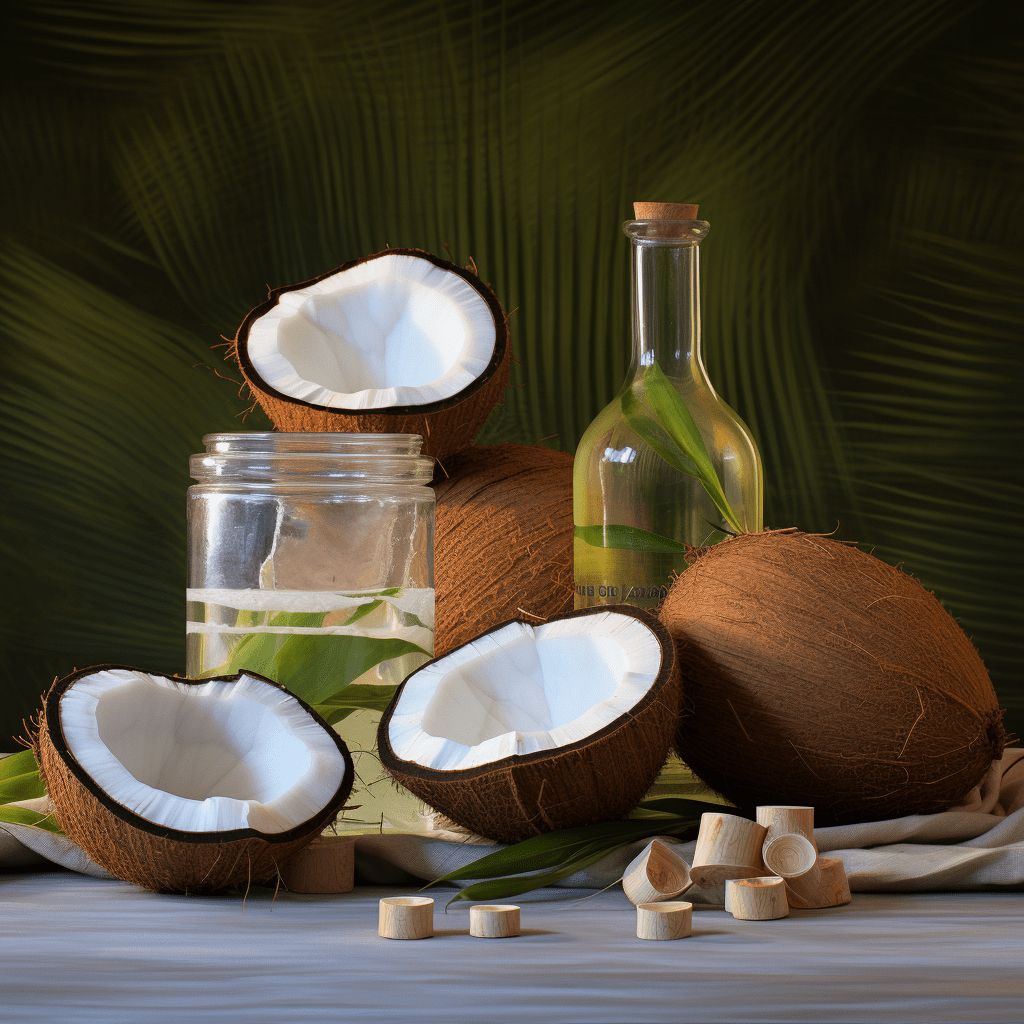
b. Natural Oils: Certain natural oils like coconut oil, jojoba oil, and raspberry seed oil have inherent sun-protective properties. While they offer mild sun protection, they should be used as a complement to other sun protection methods, rather than as standalone solutions.
- Emphasize Sun-Protective Clothing: Shielding your skin with appropriate clothing is an effective way to reduce sun exposure. Here are some tips to make the most of sun-protective clothing:
a. UPF Clothing: Look for clothing labeled with UPF (Ultraviolet Protection Factor) ratings. UPF clothing is specially designed to block UV rays and protect your skin. Opt for lightweight, breathable fabrics with a UPF rating of 50+ for maximum protection.
b. Wide-brimmed Hats: Invest in wide-brimmed hats that provide shade for your face, neck, and ears. Hats with UPF lining or made from tightly woven fabrics offer additional sun protection.
c. UV-Blocking Sunglasses: Your eyes are also sensitive to UV rays. Wear sunglasses that provide 100% UV protection to shield your eyes from harmful radiation. Look for sunglasses with a wraparound style for better coverage.
- Choose the Right Sunscreen: Sunscreen is a vital component of any sun protection regimen. Here’s what to consider when selecting the right sunscreen:
a. Broad-Spectrum Protection: Ensure your sunscreen offers broad-spectrum protection, which shields your skin from both UVA and UVB rays.
b. Sun Protection Factor (SPF): Opt for a sunscreen with at least SPF 30 or higher. Remember that higher SPF doesn’t mean double the protection; it simply means longer-lasting protection.
c. Water and Sweat Resistance: If you engage in water activities or sweat heavily, choose a water-resistant sunscreen to ensure it stays effective for longer periods. Reapply regularly, especially after swimming or sweating.
d. Non-comedogenic and Fragrance-free: To avoid clogging your pores or triggering skin sensitivities, opt for non-comedogenic and fragrance-free sunscreen options.
- Additional Sun Protection Tips: Apart from using sunscreen and wearing protective clothing, keep these tips in mind for comprehensive sun protection:
a. Seek Shade: When the sun is strongest (usually between 10 am and 4 pm), find shade under trees, umbrellas, or canopies.
b. Stay Hydrated: Proper hydration helps maintain healthy skin and minimizes the risk of heatstroke. Drink plenty of water, particularly during hot and sunny days.
c. Regular Skin Checks: Perform regular self-examinations to identify any changes in moles or skin spots. If you notice anything suspicious, consult a dermatologist.
With the abundance of sun protection options available, it’s easier than ever to enjoy the great outdoors while keeping your skin safe. Incorporate natural alternatives, invest in sun-protective clothing, and select the right sunscreen for your needs. Remember, practicing sun safety not only prevents painful sunburns but also promotes long-term skin health. So, gear up with the best sun protection and embark on countless adventures under the radiant sun!

 Free Outdoors