
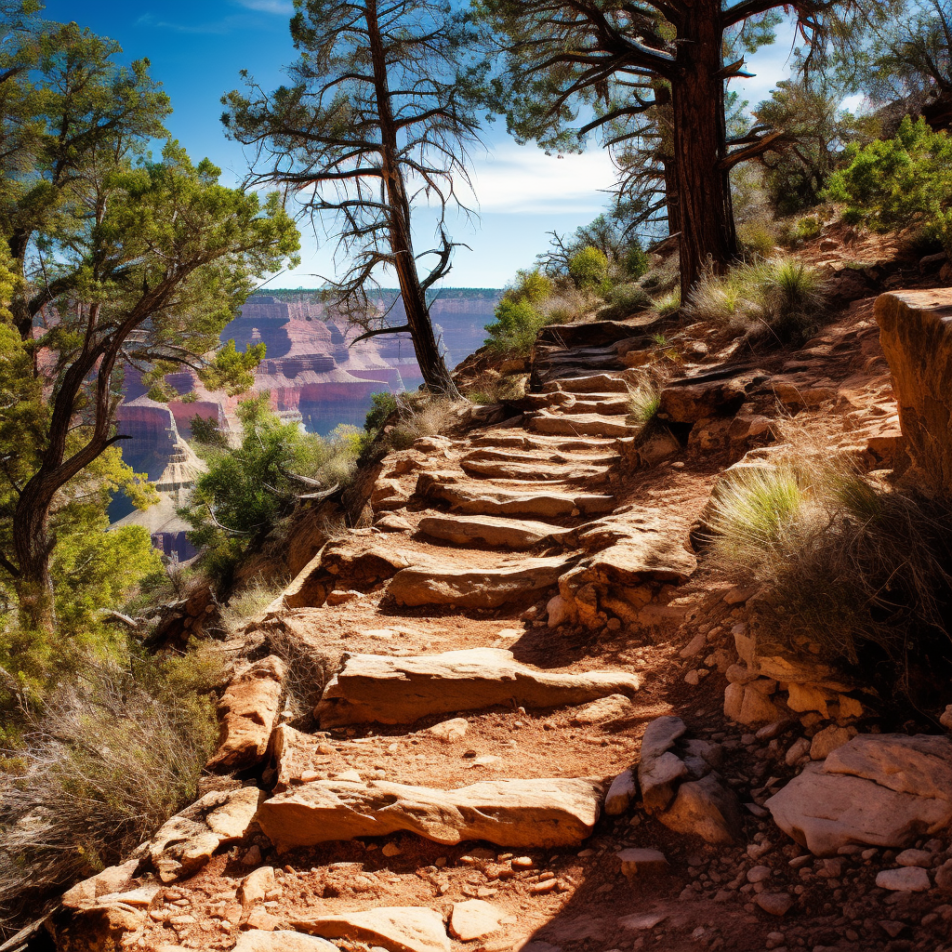
Hiking is a fantastic way to immerse yourself in nature, challenge your physical abilities, and enjoy breathtaking landscapes. The United States is blessed with a multitude of outstanding hiking trails that cater to all skill levels and preferences. Whether you’re a seasoned hiker or a beginner, this article will guide you through some of the best hiking trails in the country and offer essential tips to ensure a successful and enjoyable experience.
Appalachian Trail, East Coast:
- Stretching over 2,190 miles, the Appalachian Trail offers a diverse range of terrains and scenic beauty, making it a favorite among hikers. Sections like the Great Smoky Mountains, Shenandoah National Park, and the White Mountains provide stunning vistas, serene forests, and abundant wildlife. Plan your hike carefully, consider the duration and difficulty level, and ensure you have the necessary permits.
Pacific Crest Trail, West Coast:
- For an unforgettable journey along the West Coast, the Pacific Crest Trail (PCT) is a must-visit. This 2,650-mile trail winds through California, Oregon, and Washington, offering hikers breathtaking views of the Sierra Nevada and Cascade mountain ranges. Adequate preparation is crucial due to the trail’s length and challenging terrain. Ensure you have reliable navigation tools and enough supplies for the journey.
Grand Canyon National Park, Arizona:
- The Grand Canyon offers unparalleled beauty and awe-inspiring vistas. Its numerous hiking trails, including the iconic Rim-to-Rim and Bright Angel trails, cater to both novice and experienced hikers. Check weather conditions beforehand, pack enough water, wear appropriate footwear, and be mindful of the park’s regulations to ensure a safe and enjoyable experience.
- Zion National Park boasts unique geological formations, narrow canyons, and towering sandstone cliffs. Trails like Angels Landing and The Narrows offer thrilling experiences for adventurous hikers. Remember to obtain permits, wear appropriate gear such as hiking boots and wading shoes, and stay informed about flash flood warnings.
- Acadia’s diverse landscape, rugged coastline, and picturesque mountains make it an enchanting hiking destination. The Park Loop Road offers numerous trailheads, including the popular Jordan Pond Path and Precipice Trail. Keep in mind that some trails may require advanced climbing skills or have restrictions during nesting seasons. Carry insect repellent and dress in layers to adapt to changing weather conditions.
Tips for a Successful Hiking Trip:
- Plan ahead: Research the trail you intend to hike, including its difficulty, distance, and any necessary permits. Check weather forecasts and trail conditions.
- Pack essentials: Bring a backpack with sufficient water, nutritious snacks, a map, a compass, a first aid kit, sunscreen, insect repellent, and appropriate clothing and footwear.
- Navigation tools: Carry a reliable map, compass, or GPS device to ensure you stay on the right track.
- Leave no trace: Respect nature by packing out all trash, minimizing campfire impact, and staying on designated trails.
- Safety first: Inform someone about your hiking plans, hike with a buddy if possible, and be aware of wildlife and potential hazards.
- Fitness level: Choose trails that match your physical capabilities. Start with shorter, easier hikes if you’re a beginner, gradually increasing difficulty as your skills and fitness improve.
Embarking on a hiking adventure in the United States can be a life-changing experience. From the breathtaking beauty of the Appalachian Trail to the dramatic landscapes of the Grand Canyon, each hiking trail offers unique wonders waiting to be explored. By adequately preparing, packing the right supplies, and adhering to safety guidelines, you’ll be well on your way to creating unforgettable memories and experiencing the majesty of nature. Remember, hiking is not just about reaching the destination; it’s about enjoying the journey and immersing yourself in the natural wonders around you.
Before you set off on your hiking expedition, take the time to research the trail you plan to explore. Look for recent trail updates, closures, and any specific regulations or permits required. Many popular hiking trails have online forums or dedicated websites where hikers share valuable information and tips.
When it comes to gear and supplies, invest in quality equipment that suits the terrain and weather conditions of your chosen trail. Here are some essential items to consider:
- Proper footwear: Invest in sturdy, well-fitting hiking boots or shoes that provide ankle support and have a good grip. Break them in before your trip to avoid blisters and discomfort.
- Backpack: Choose a backpack that is comfortable, lightweight, and has enough capacity to carry all your essentials. Look for one with adjustable straps and multiple compartments for better organization.
- Water and hydration: Stay hydrated by carrying an adequate supply of water. Depending on the trail and duration of your hike, consider using a hydration bladder or water bottles. Research water sources along the trail and plan accordingly.
- Food and snacks: Pack lightweight, high-energy snacks such as trail mix, energy bars, and dried fruits to keep you fueled throughout your hike. If you plan to cook meals, bring lightweight camping stoves and dehydrated meals.
- Navigation tools: Along with a detailed map and compass, consider using a GPS device or smartphone app with offline maps to help you stay on track. Ensure your devices are fully charged and carry backup batteries or a portable charger.
- Clothing layers: Dress in layers to adapt to changing weather conditions. Include moisture-wicking and quick-drying clothing to stay comfortable during physical exertion. Don’t forget to pack a waterproof jacket (men’s and women’s)or poncho in case of rain.
- First aid kit: Carry a well-stocked first aid kit with essential supplies, including bandages, adhesive tape, antiseptic wipes, pain relievers, blister treatment, and any necessary medications.
- Safety equipment: Depending on the trail’s difficulty level and location, consider carrying additional safety equipment such as a whistle, headlamp, multipurpose tool, and emergency shelter like a lightweight tent or bivy sack.
Lastly, it’s crucial to leave no trace of your presence in the wilderness. Respect the environment by following these principles:
- Pack out all trash: Dispose of waste properly and carry out all non-biodegradable items, including food wrappers, tissues, and other personal belongings.
- Stay on designated trails: Help preserve the natural habitat by staying on established paths and avoiding trampling on delicate vegetation.
- Respect wildlife: Keep a safe distance from wildlife and observe them without disturbing their natural behavior. Never feed or approach animals.
- Minimize campfire impact: Follow park regulations regarding campfires and use designated fire pits if available. Ensure fires are fully extinguished before leaving.
By following these tips and respecting nature, you’ll have a successful and enjoyable hiking trip on the best trails the United States has to offer. Immerse yourself in the beauty of the great outdoors, challenge yourself physically, and create memories that will last a lifetime. Happy hiking!
*Disclaimer: This post contains affiliate links. If you choose to purchase items using these links, Free Outdoors will earn a small commission at no extra cost to you. Thank you for your support!

 Free Outdoors